Chase the Aurora: Best Places & Seasons to Go (2026 Edition)
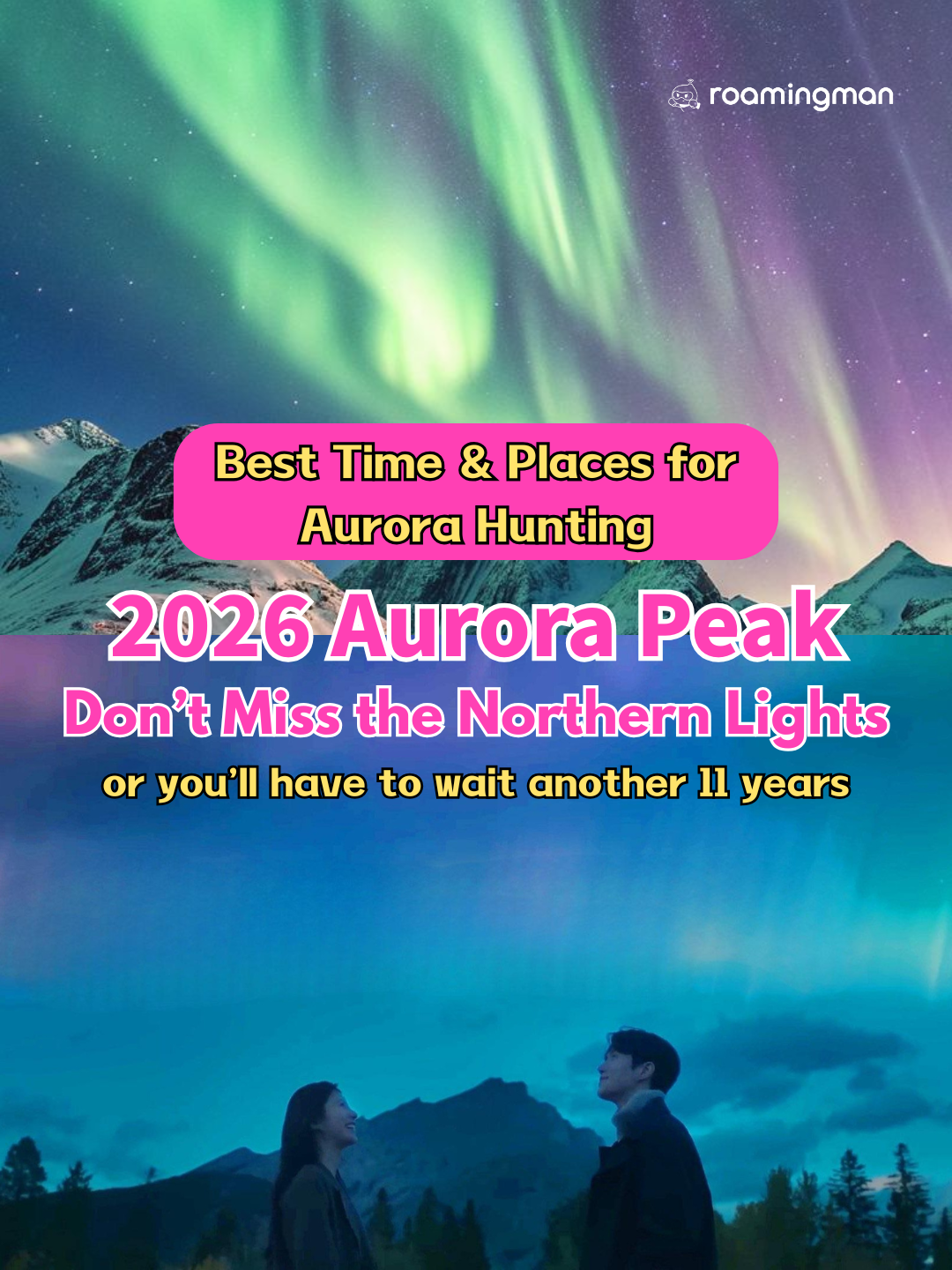
Plan your trip during peak months for higher chances of brighter Northern Lights.
If you’re planning your 2026 aurora trip, timing matters just as much as location. Here’s a clearer breakdown of the best viewing seasons for some of the world’s most reliable Northern Lights destinations.
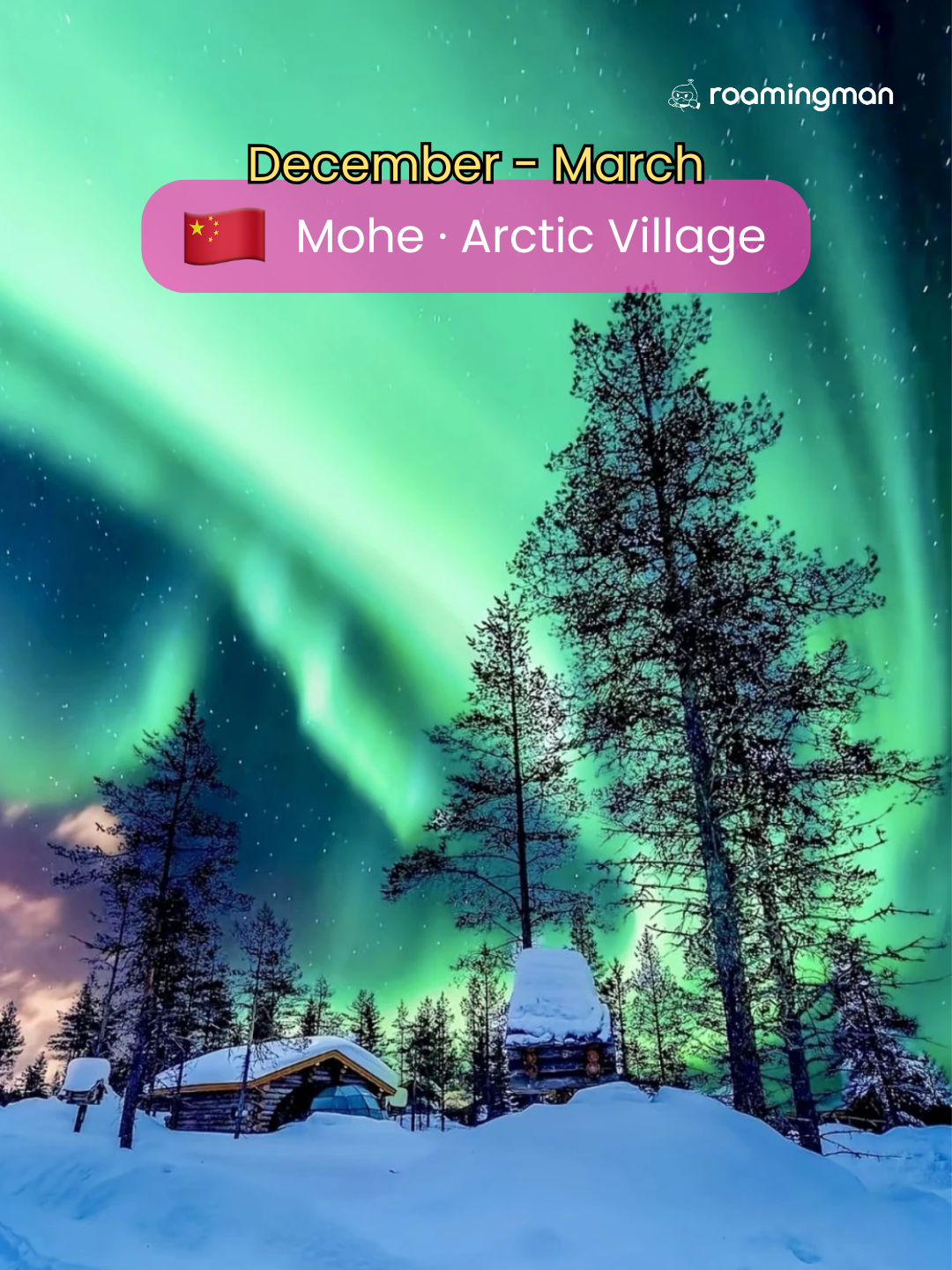
China — Mohe Arctic Village (December to March)
Located in Heilongjiang Province, Mohe Arctic Village is China’s northernmost settlement and one of the only places in the country where auroras can be seen. The best window is from December to March, when nights are longest and skies are darkest. Temperatures can drop well below freezing, but the extreme cold often brings clearer skies, increasing your chances of a sighting. While auroras here are less frequent than in Scandinavia or Canada, strong solar activity years can significantly improve visibility.
China package
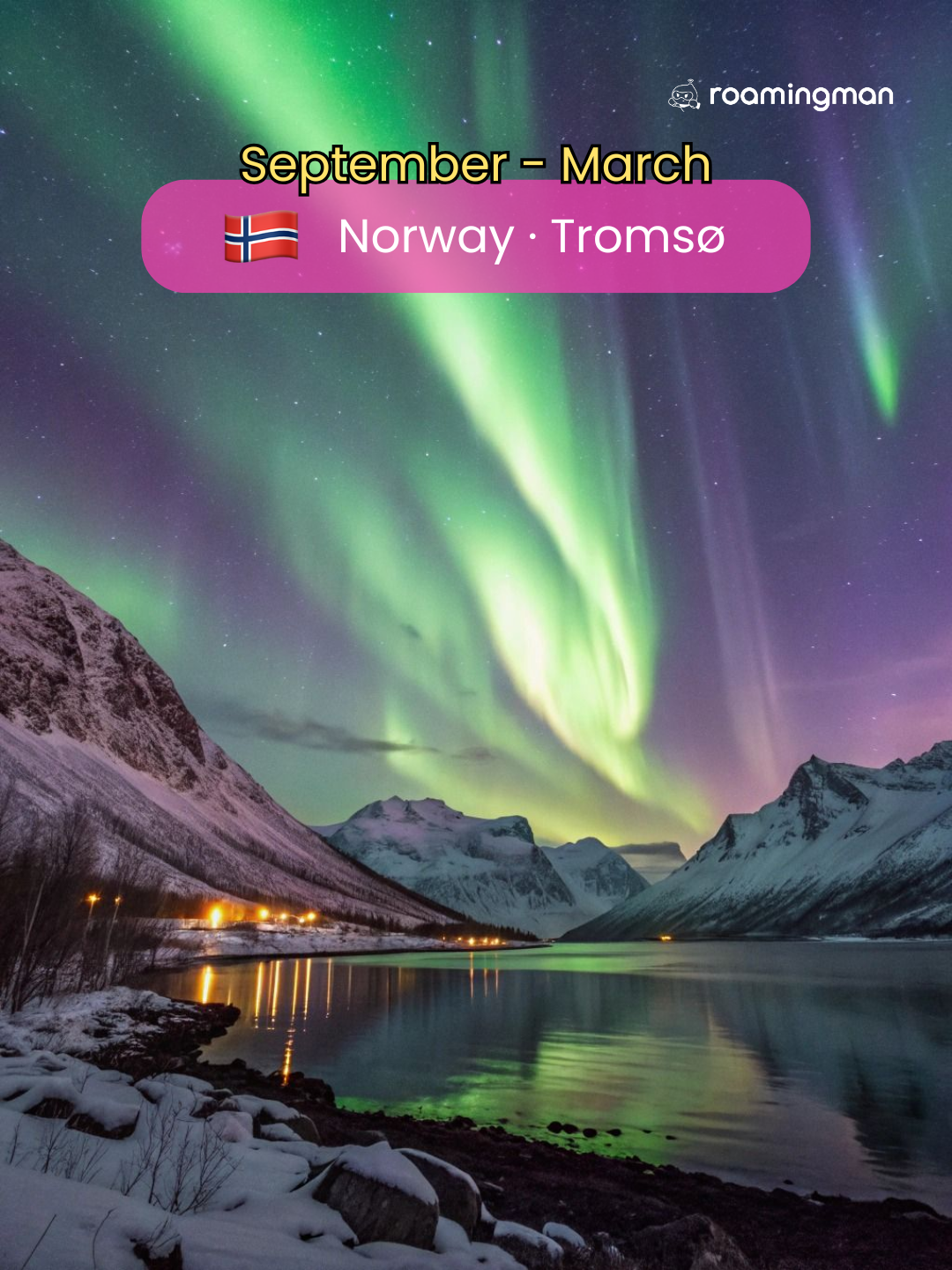
Norway — Tromsø (September to March)
Tromsø is often called the “Gateway to the Arctic” for good reason. The aurora season runs from September to March, when the Arctic nights are long enough for optimal viewing. September and October offer milder temperatures and reflections over fjords, while the deep winter months provide snow-covered landscapes and dramatic backdrops. Tromsø’s location directly under the auroral oval makes sightings frequent and intense.
Europe package
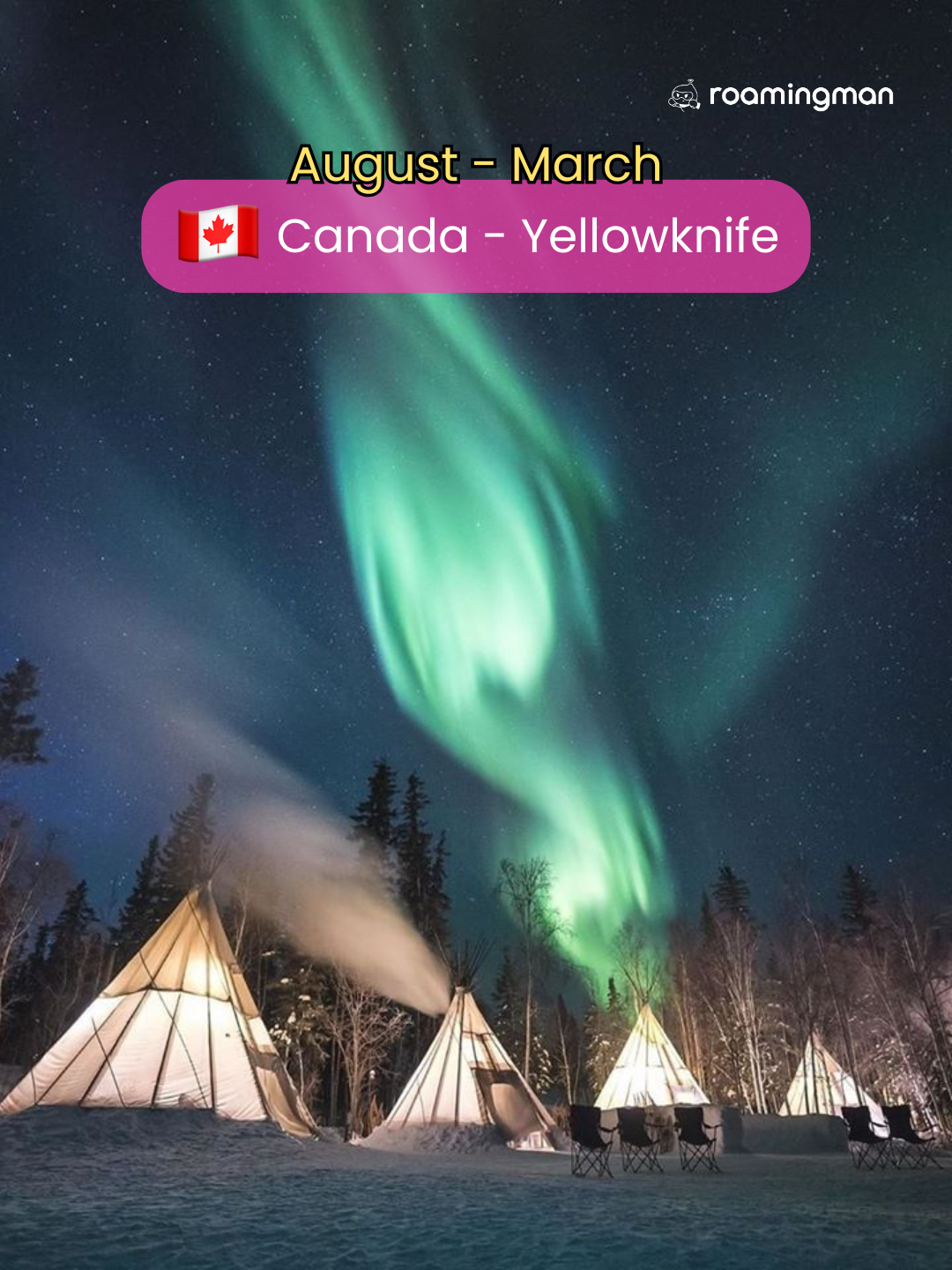
Canada — Yellowknife (August to March)
In northern Canada, Yellowknife boasts one of the longest aurora seasons, stretching from late August to March. Early season months like August and September allow you to see auroras reflected on lakes before they freeze, while winter offers crisp air and extremely dark skies. Yellowknife is known for its stable weather patterns and high auroral activity, making it a top choice for photographers.
Europe package
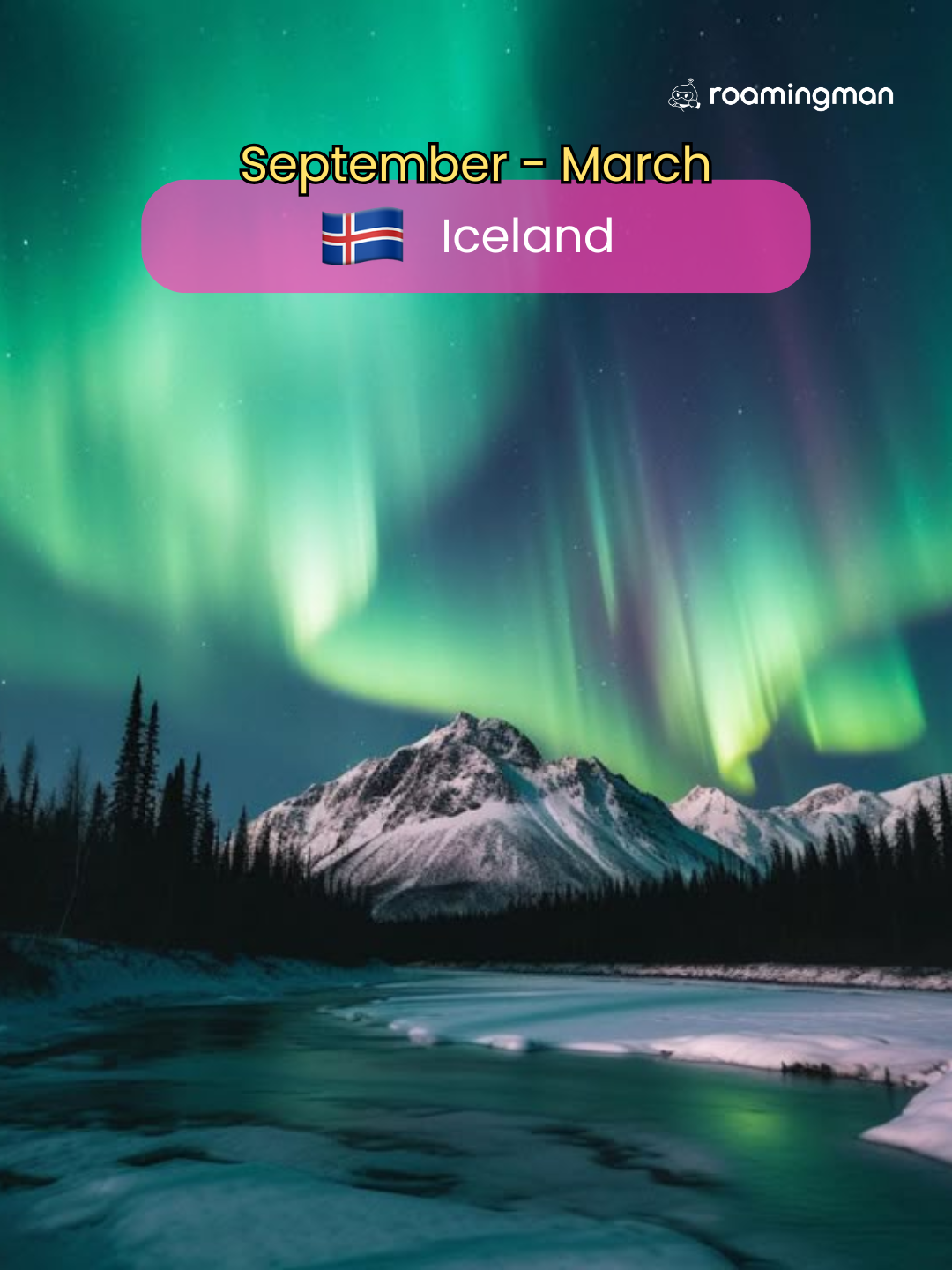
Iceland (September to March)
Aurora season in Iceland typically runs from September through March. Thanks to its relatively mild winters compared to other Arctic destinations, Iceland combines accessible travel routes with dramatic scenery — waterfalls, glaciers, black sand beaches, and lava fields. The key here is getting away from city lights and monitoring cloud cover closely.
Europe package
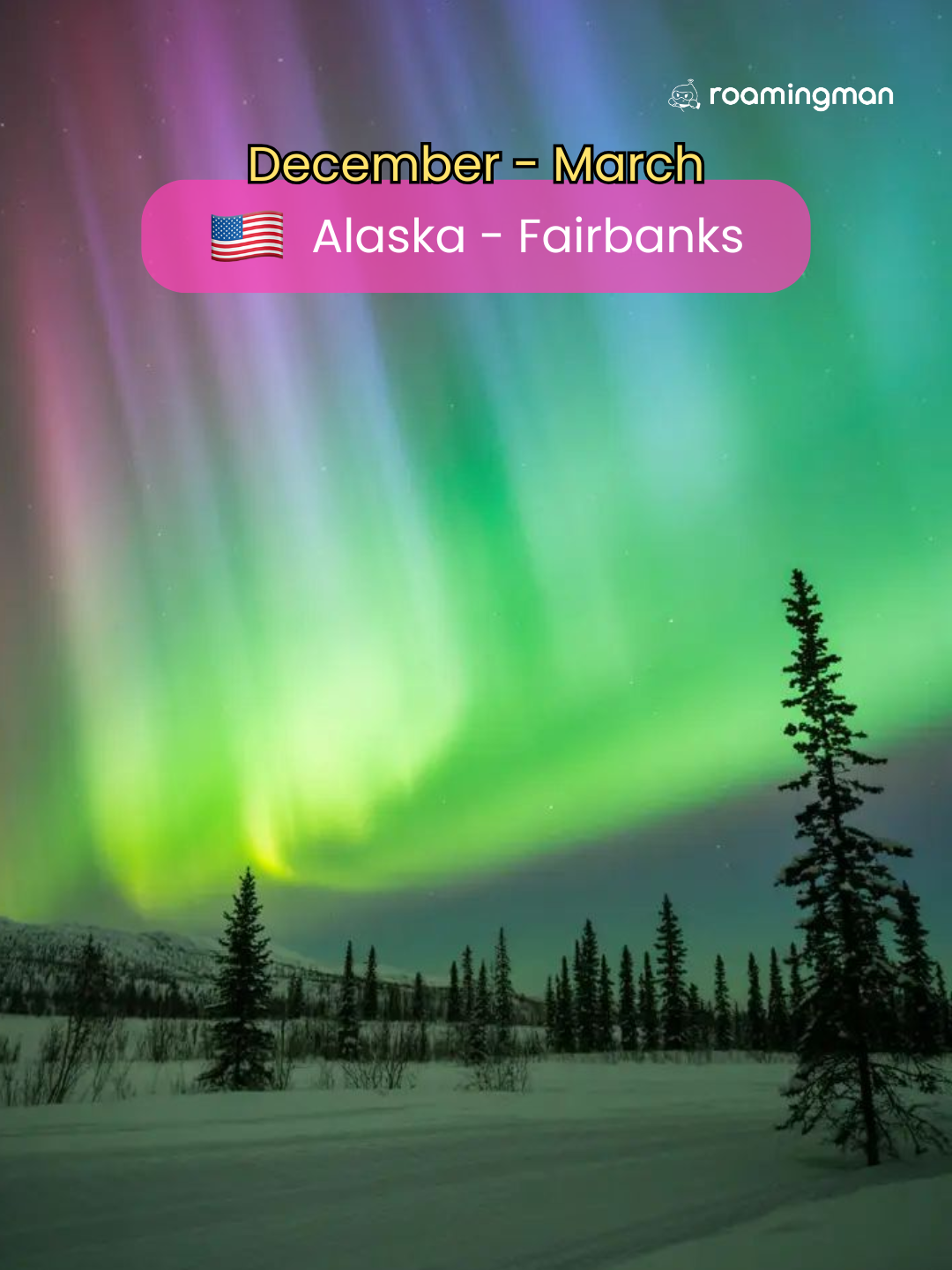
Alaska — Fairbanks (December to March)
Fairbanks is one of the most reliable aurora destinations in the United States. The peak viewing season is December to March, when long winter nights create extended viewing windows. Fairbanks sits directly beneath the auroral oval, and its inland location often means clearer skies compared to coastal areas.
Europe package
Final Tip
Across all these destinations, the golden rule is simple: dark skies, clear weather, and strong solar activity. With 2026 expected to be near solar maximum, this upcoming season could deliver brighter and more frequent displays than usual.
Plan early, check moon phases and cloud forecasts, and prepare for late nights — because when the sky lights up, every minute outdoors will be worth it.
When you’re chasing the aurora, you’re often heading far beyond city lights — into remote villages, icy roads, and wide open landscapes. The last thing you want to worry about is losing signal when you need it most.
Whether you’re checking real-time aurora forecasts, navigating dark highways, uploading long-exposure shots, or going live when the sky finally explodes in color, staying connected makes the entire experience smoother and safer.
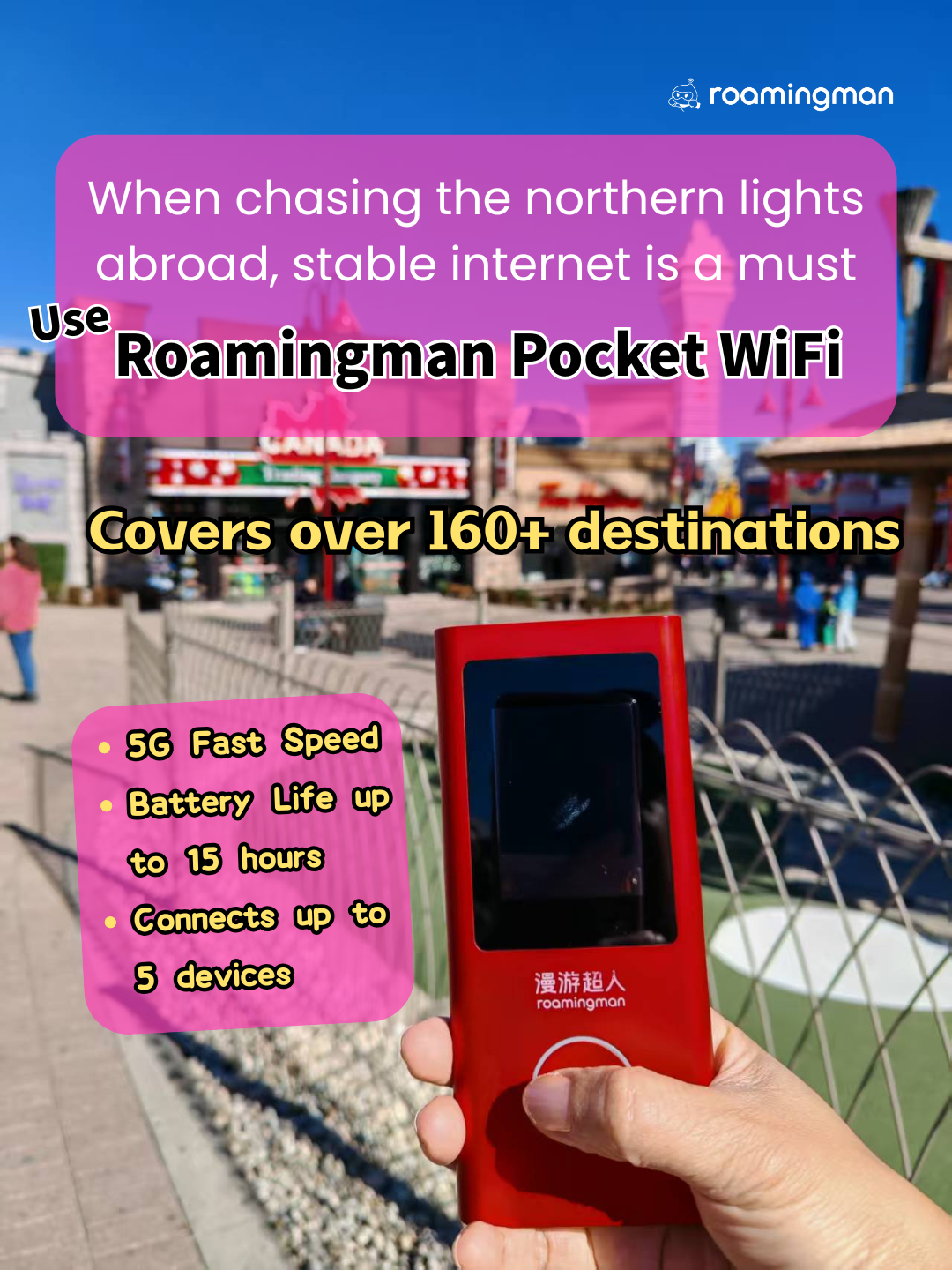
That’s where Roamingman Pocket WiFi comes in.
With coverage in 160+ destinations worldwide, you can stay online even in some of the most remote aurora hotspots. Enjoy fast 5G speeds for seamless map navigation, instant photo uploads, and real-time updates without lag.
Traveling with friends or family? Connect up to 5 devices at the same time — no need for everyone to buy separate SIM cards. And with up to 15 hours of battery life, you can chase the Northern Lights deep into the night without worrying about your connection dying before the aurora does.
Go where the lights are. We’ll keep you connected.
Get Your Now !

