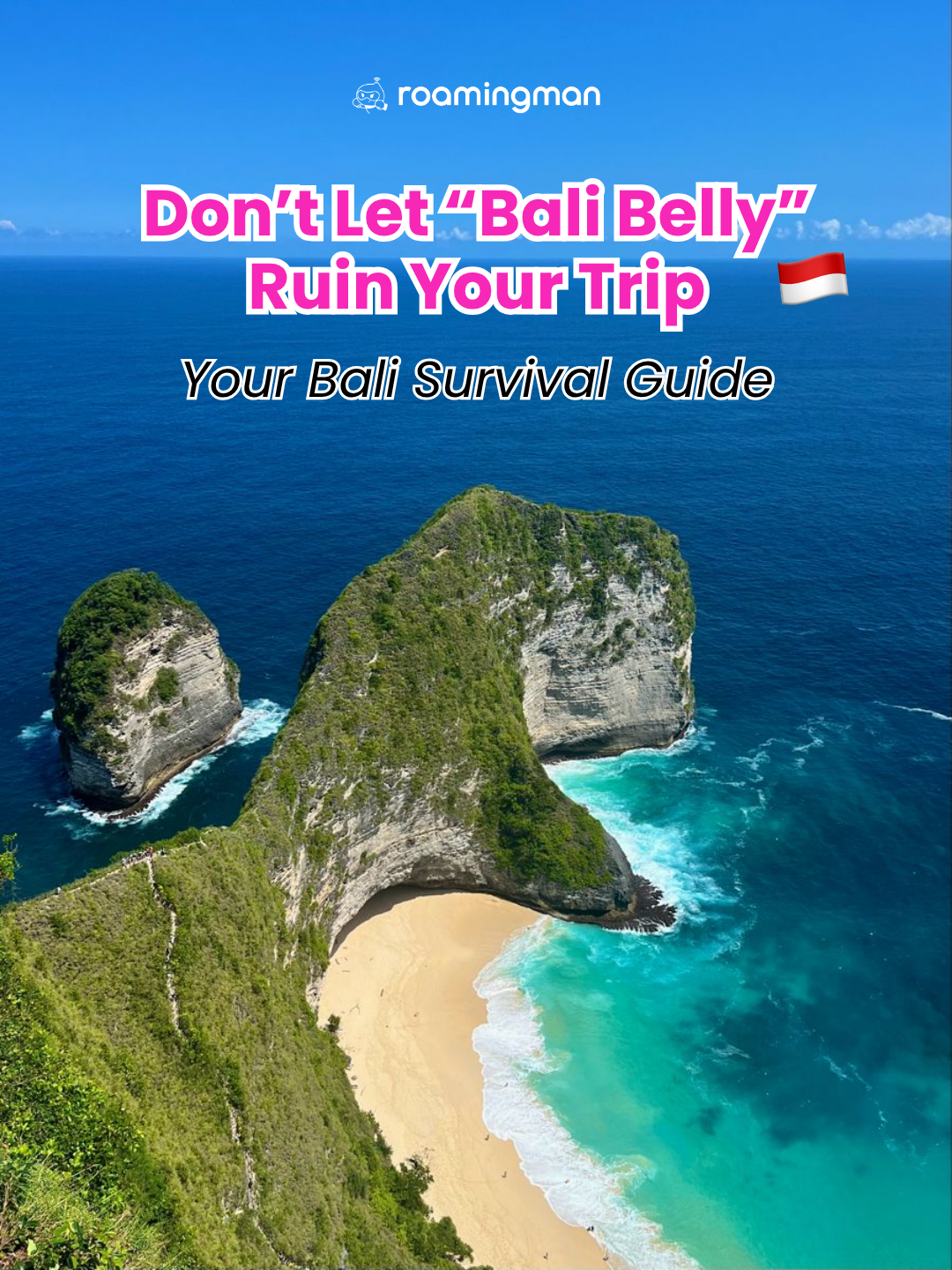
Bali is one of the world’s most beautiful travel destinations—known for its beaches, temples, and vibrant culture. But many travelers also hear about something less exciting: “Bali Belly.”
This common travel issue can quickly disrupt your holiday if you’re not prepared. The good news? With a few simple precautions, it’s largely preventable.
Here’s your complete guide to staying healthy and enjoying your Bali trip worry-free.
What Is Bali Belly?
“Bali Belly” is a general term used to describe stomach illness or traveler’s diarrhea experienced by visitors in Bali. It is usually caused by consuming contaminated food or water, or by exposure to unfamiliar bacteria.
Common symptoms include:
-Diarrhea
-Stomach cramps
-Nausea or vomiting
-Fever
-Dehydration
-Loss of appetite
Most cases are mild and resolve within a few days, but it can still seriously affect your travel experience.
1. Be Careful with Hotel Water Quality
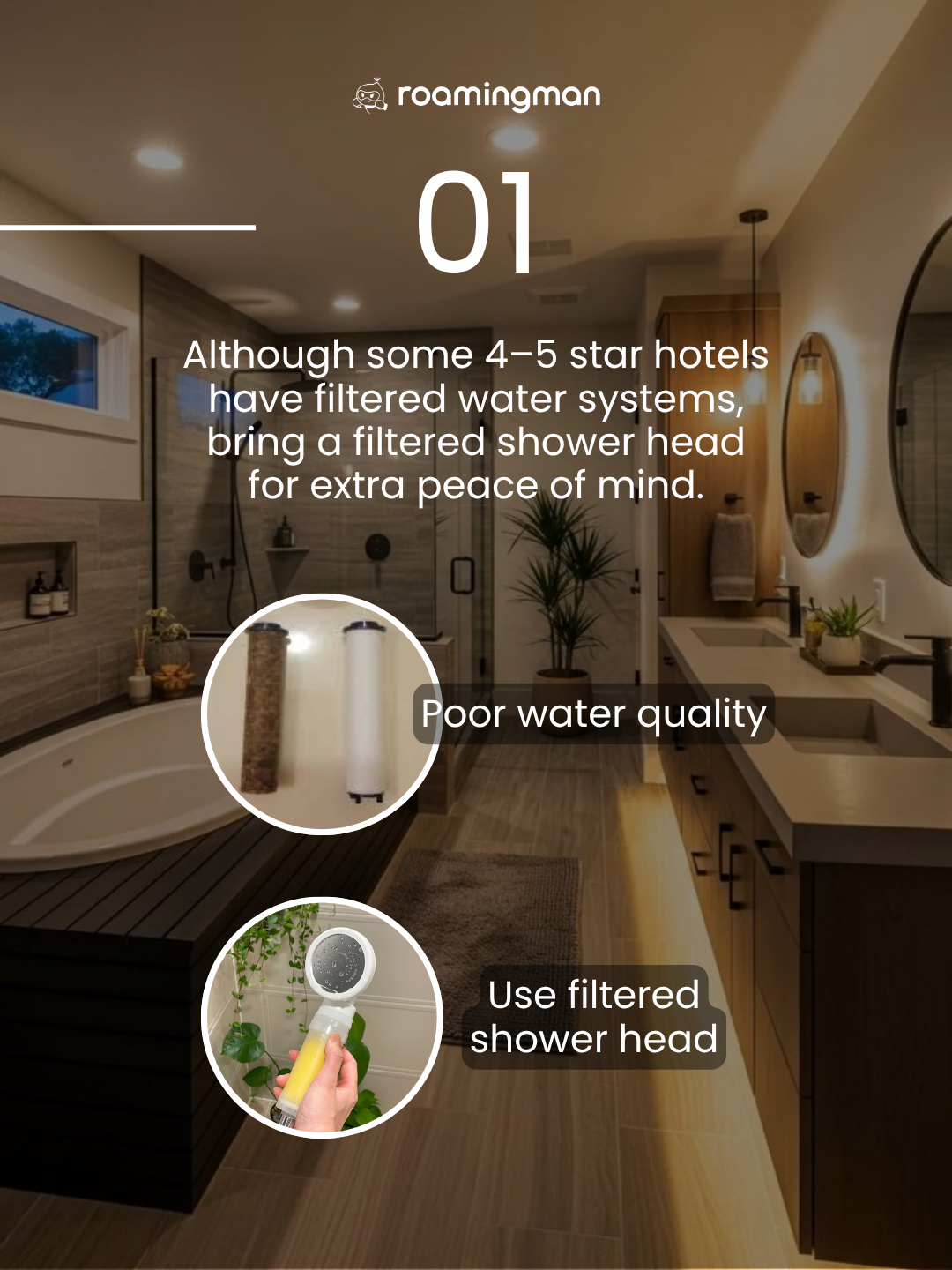
Even in 4–5 star hotels, water quality can vary. While many accommodations use filtered systems, it’s still wise to take extra precautions.
Tips:
-Consider bringing a filtered shower head for added protection
-Avoid swallowing shower or tap water
-Choose reputable hotels with good hygiene standards
Small precautions can significantly reduce your risk.
2. Use Bottled Water for Brushing Teeth
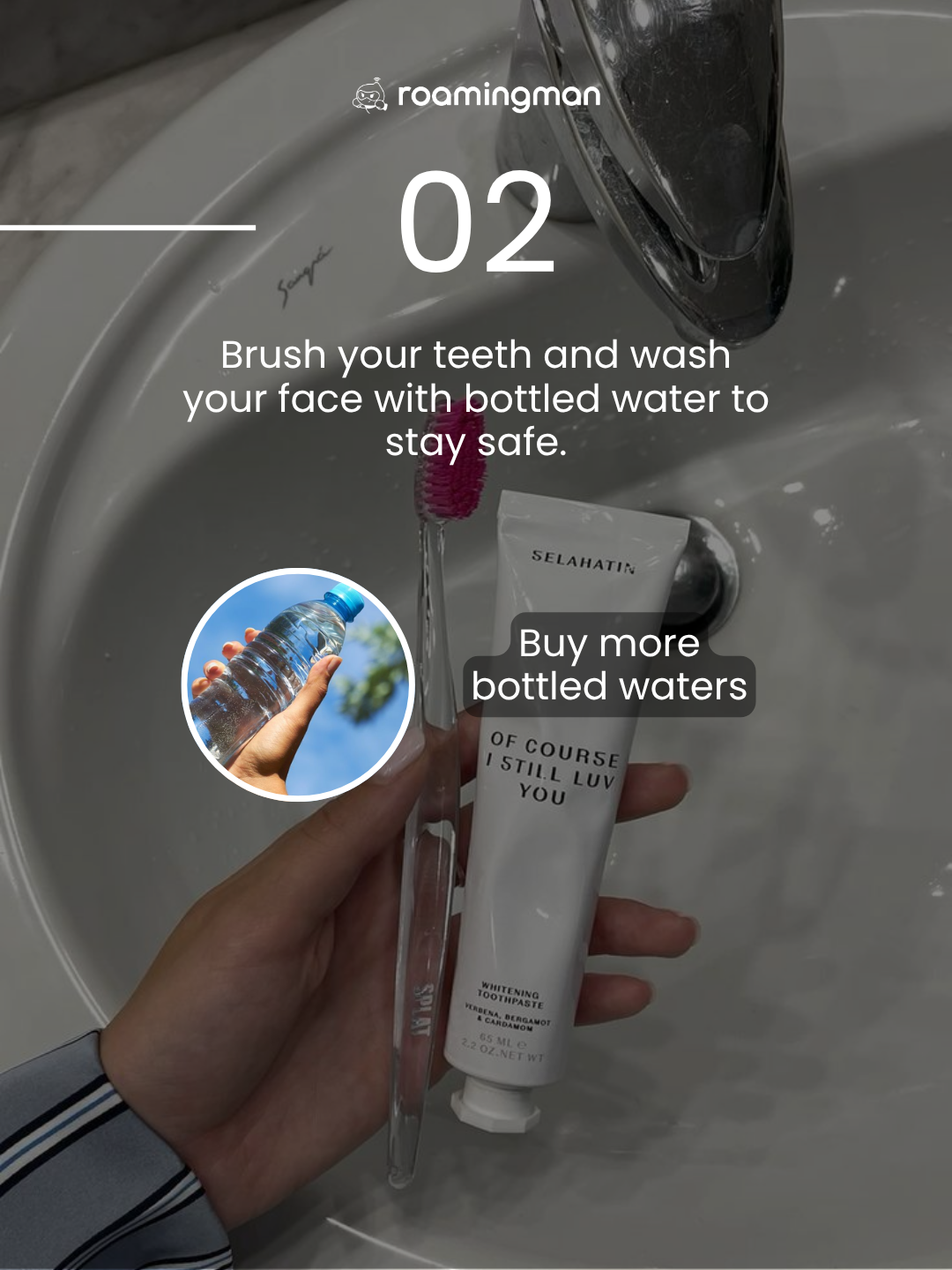
One of the most overlooked travel mistakes is using tap water while brushing teeth.
Even if you don’t drink tap water directly, accidental ingestion can still occur.
Best practice:
-Use bottled water for brushing teeth
-Rinse your mouth with safe drinking water
-Keep bottled water easily available in your room
It’s a simple habit that makes a big difference.
3. Be Smart About Food and Drinks
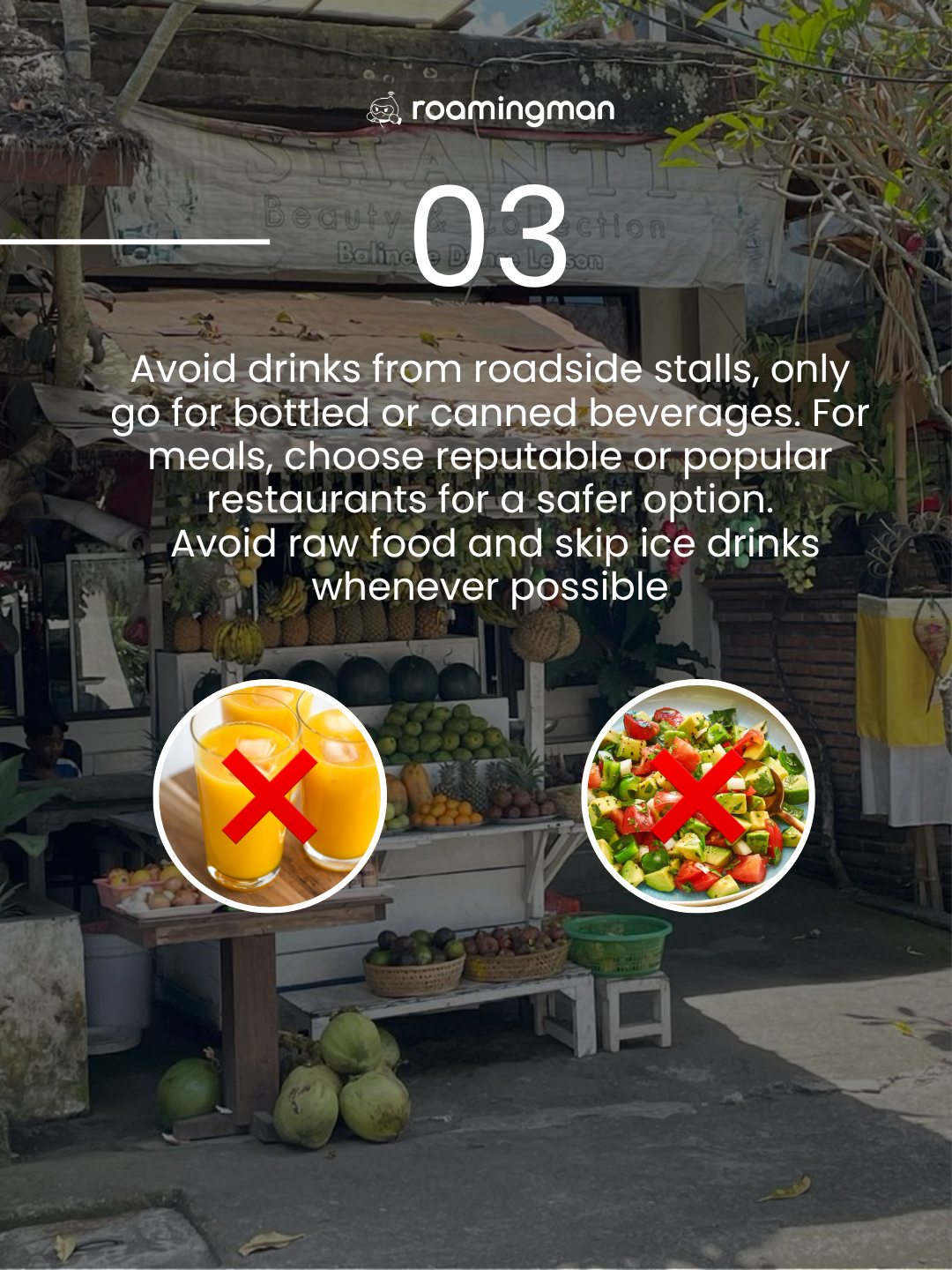
Bali’s street food scene is amazing—but hygiene standards can vary widely.
What to drink:
-Sealed bottled water
-Canned drinks
-Beverages from trusted cafés and restaurants
What to avoid:
-Drinks from unknown street vendors
-Ice cubes from uncertain water sources
Food safety tips:
-Choose busy, well-reviewed restaurants
-Prefer freshly cooked, hot meals
-Avoid raw or undercooked food
-Be cautious with salads or pre-cut fruit
When in doubt, go where locals and tourists both eat regularly.
4. Pack Essential Travel Medications
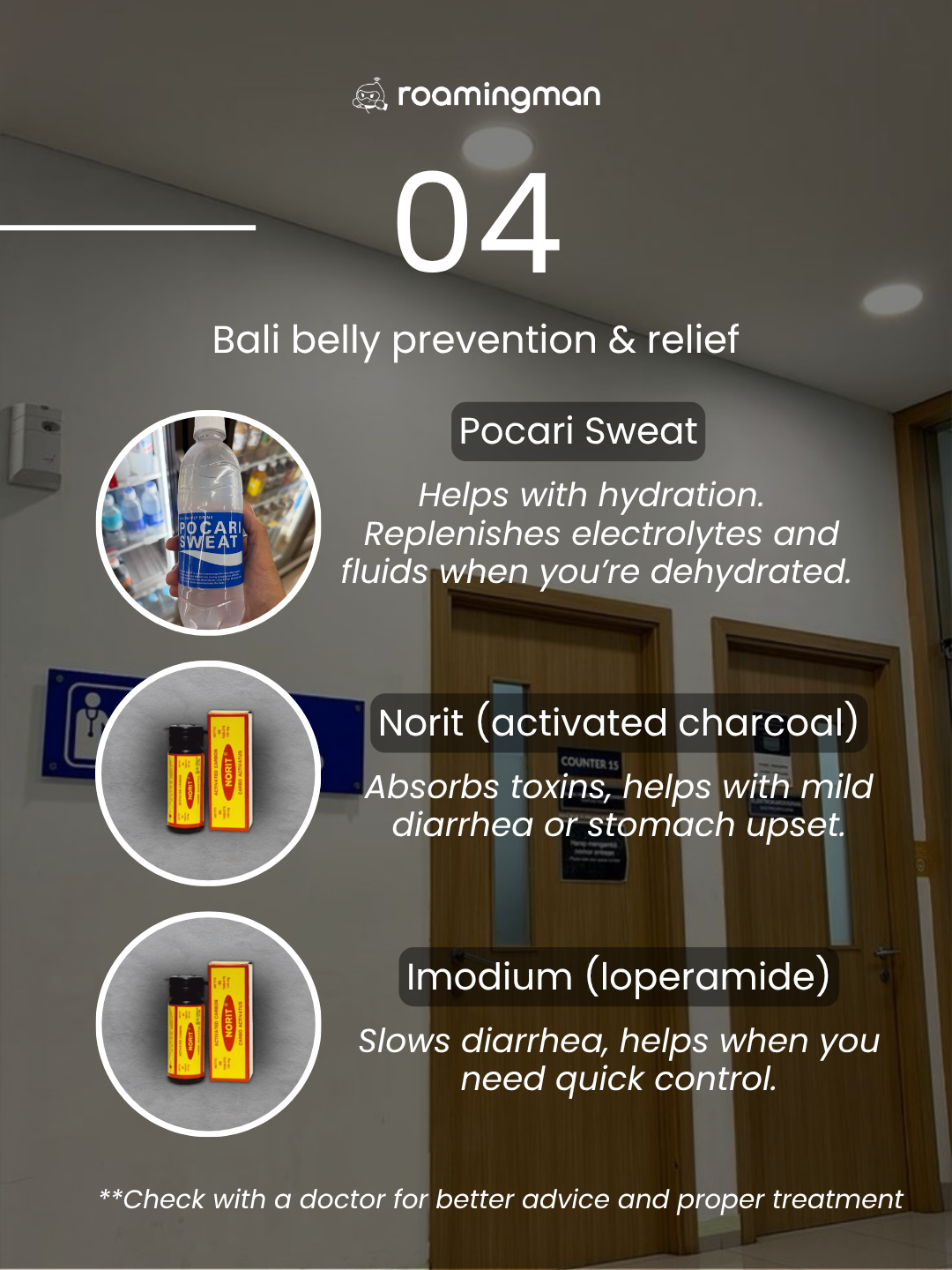
A small travel health kit can make a big difference if symptoms appear.
Electrolyte drinks (e.g. Pocari Sweat)
Helps replace fluids and minerals lost through diarrhea and dehydration.
Activated charcoal (Norit)
May help absorb toxins and ease mild stomach discomfort.
Anti-diarrheal medication (e.g. Loperamide)
Can help control symptoms when immediate relief is needed (e.g. during travel).
Important: Always consult a healthcare professional before using medication.
5. Stay Connected for Safety and Convenience

Reliable internet access isn’t just for social media—it’s also a safety tool while traveling.
With stable connectivity, you can:
-Find nearby clinics or hospitals
-Check restaurant reviews
-Use navigation apps
-Contact family or emergency services
-Translate medical or local information
A portable WiFi device or travel SIM can make your trip much smoother.
What to Do If You Get Bali Belly
If symptoms are mild:
-Stay hydrated
-Drink electrolytes
-Rest
-Eat light, bland foods
Seek medical help if you experience:
-High fever
-Severe dehydration
-Symptoms lasting more than 48 hours
-Severe abdominal pain
-Blood in stool
Bali has many international clinics that can treat travelers efficiently.

